
Water Rate Information
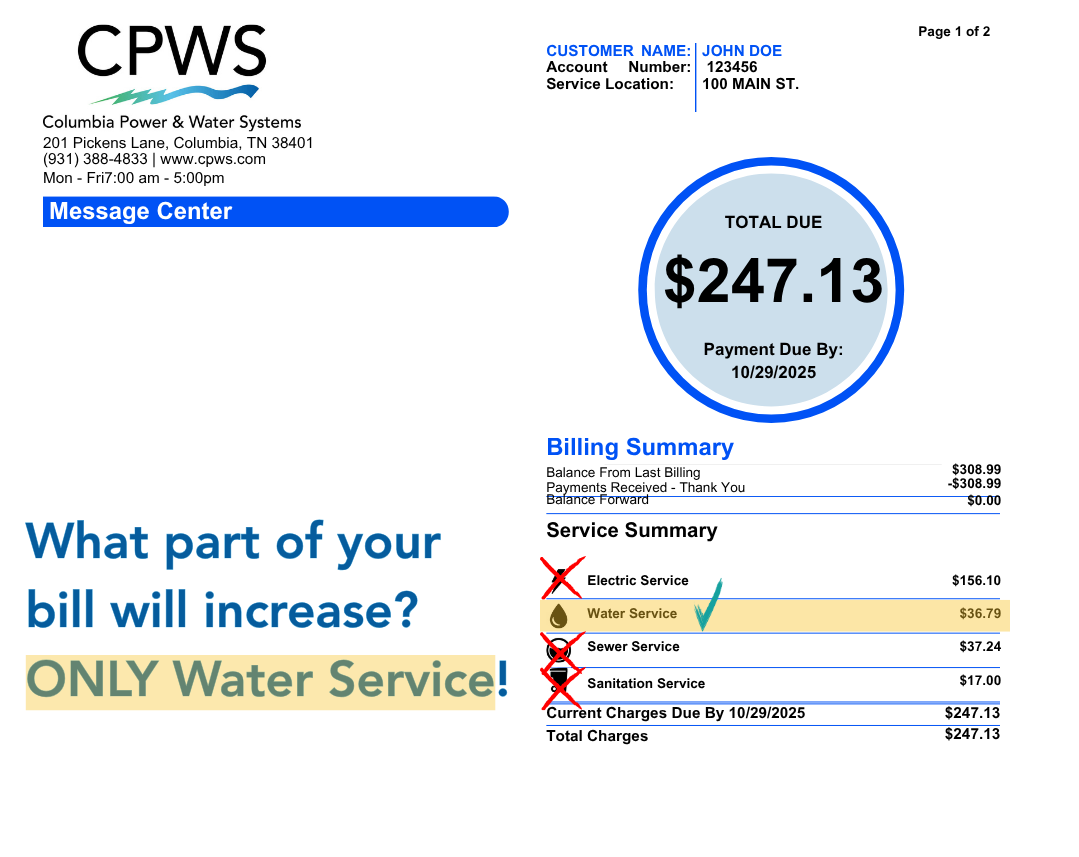
Q. Will my water bill increase because of this plan?
A. Yes. CPWS customers will see rate increases as part of this project.
Q. How will this affect my power bill?
A. The electric, sewer and sanitation portions of your CPWS bill will remain unchanged due to this increase.
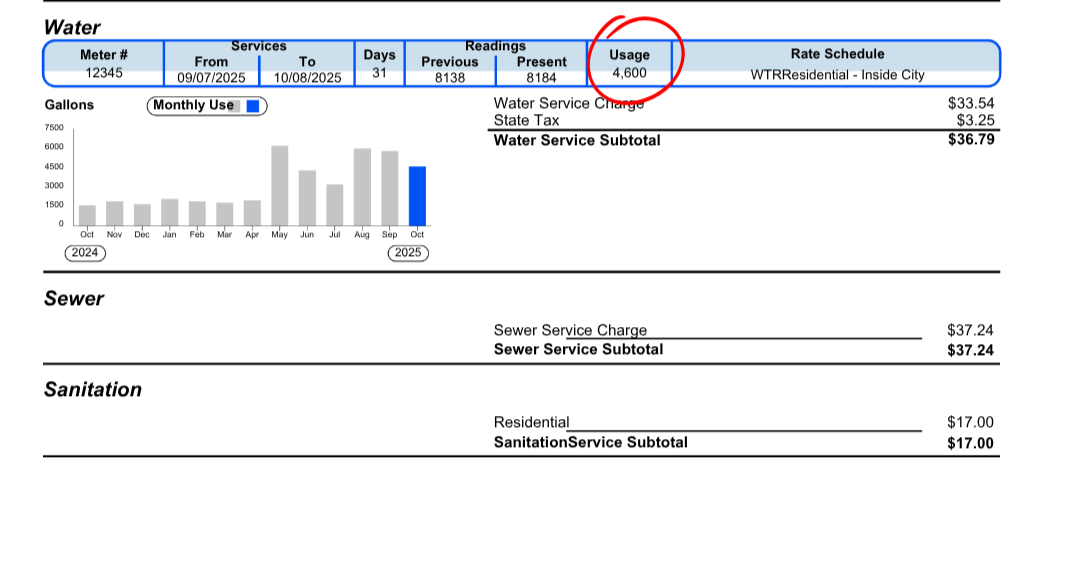
Q. How much will my water bill increase?
A. The proposed increase is up to 20% for five years, compounding, for both the customer charge and usage rate. That percentage is flexible, as state or federal grants and/or growth could mean lower increases.
Q. Where does CPWS rank among rates in Middle Tennessee right now?
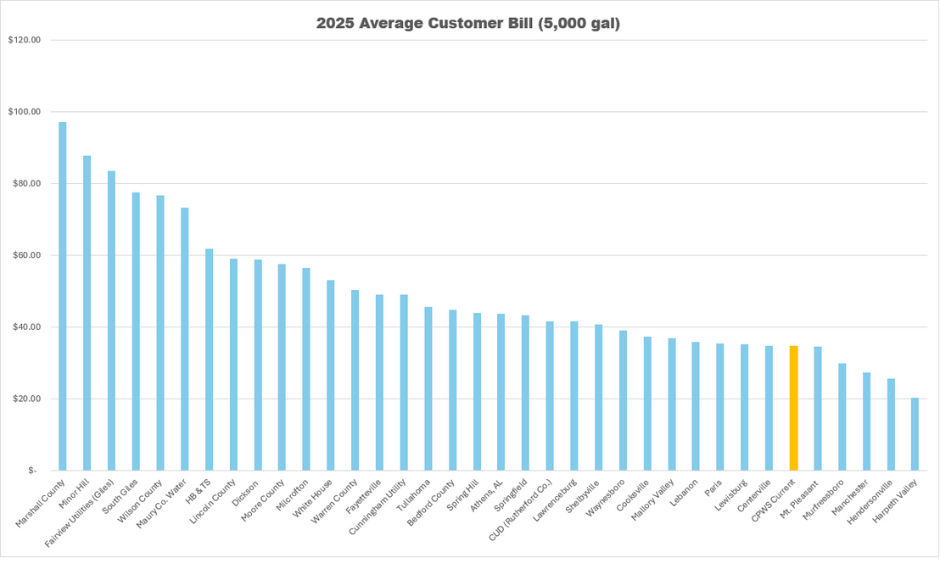

Q. How much will the rate increase for a CPWS customer?
*Avg bill = 5,000 gallons per month
Q. How much will the rate increase impact wholesale customers, Maury County Water System, City of Spring Hill and City of Mount Pleasant?
A. Currently, the wholesale rate is $4.50for every 1,000 gallons for all wholesale customers. This means for an average 5,000 gallon bill, $22.50 of your bill is paid to CPWS. The remainder of the bill is utilized by your utility for their services. The wholesale rate is calculated by conducting a study to determine the cost of service.
Q. Does CPWS charge impact fees to developers?
A. Yes, CPWS has been charging impact fees and an increase to impact fees was approved each year through 2031.
Q. What does this project do for current residents?
Executive Order 108 issued by Gov. Bill Lee mandates environmental stewardship and protection of the Duck River. After 25 years of studies, the new intake, located downstream on the Duck River near Williamsport, has continuously been recognized as the most viable option due to:
Increased Reliability and Resiliency: It provides a necessary redundancy in our raw water supply. If there is a drought, emergency, or issue that affects the water at the current downtown intake location, the new downstream location ensures we can maintain a steady and safe water supply for our customers. This is essential for long-term security, especially during extreme weather events.
Environmental Stewardship: The new location is more environmentally sustainable. Moving the primary withdrawal point downstream helps preserve aquatic life, such as the diverse mussel population near the current intake location.
Expansion of Capacity
The project also includes a significant expansion of our Water Treatment Plant capacity from 20 Million Gallons per Day (MGD) up to 32 MGD. This is vital to adhering to federal law and:
Meet Growing Demand: Accommodate the current and future population growth and economic development in the region.
Provide Redundancy in Treatment: The additional capacity allows us to take a portion of the existing plant offline for scheduled maintenance or unexpected repairs without impacting the water supply to our customers.